
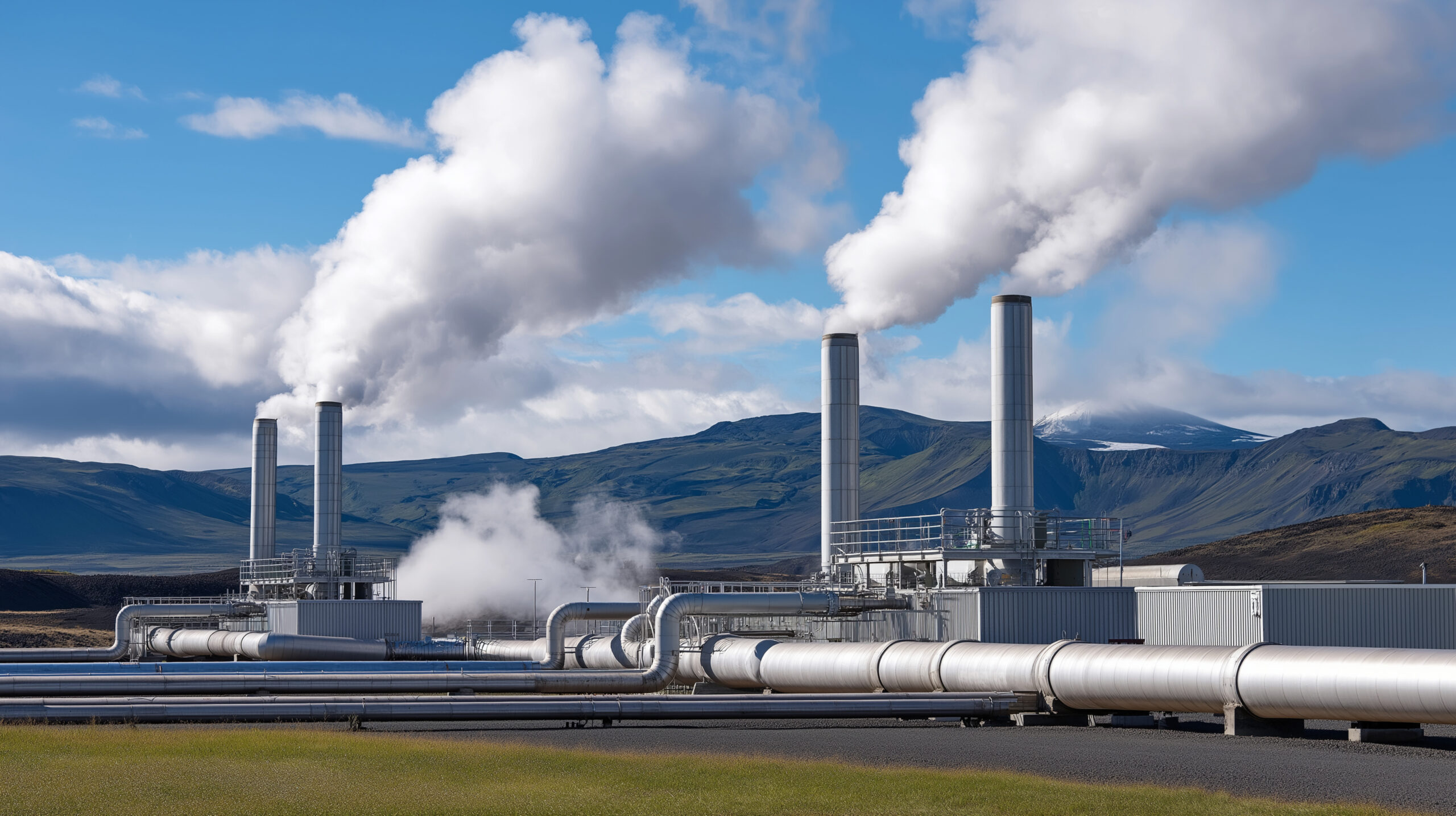
 Houston-based enhanced-geothermal startups Fervo Energy and Sage Geosystems have secured significant partnerships with large industrial players to accelerate the deployment of their next-generation technologies. Fervo is partnering with Baker Hughes, supplying essential equipment for its flagship Cape Station project in Beaver County, Utah, and bringing the project closer to its 2028 completion goal. Meanwhile, Sage is teaming up with Ormat Technologies to fast-track its first commercial geothermal deployment, poised for late-2026 or 2027. These alliances grant both firms access to established expertise and infrastructure, advancing commercial readiness.
While geothermal today only contributes around 0.4% of U.S. electricity, these developments have the potential to significantly expand that footprint. Fervo’s Utah plant, currently with an initial 400 MW capacity, is scaling toward 500 MW, with customers lined up—including Southern California Edison, Clean Power Alliance, and a newly added Shell Energy North America—all seeking firm, carbon-free power.
Sage’s approach, like Fervo’s, leverages an oil-and-gas-inspired toolkit—drilling, fracturing, and creating subsurface reservoirs in hot dry rock. Sage injects and extracts water from fractured rock formations, driving turbines with that extracted heat and pressure. These methods, combined with strong bipartisan policy support and alignment with oil-industry operational frameworks, make enhanced geothermal both scalable and politically resilient.
These collaborations signal a turning point for geothermal energy—where emerging firms are pairing cutting-edge subsurface technologies with established energy-sector partners. The result: a streamlined path to commercial scale, new base-load clean energy capacity, and expanding geographic feasibility beyond traditional geothermal hot spots. For energy business stakeholders, it’s an opportune moment to monitor supply-chain shifts, PPA structures, and the evolving policy framework enabling geothermal’s emergence as a credible, always-on resource.