

On July 3rd, Congress passed the One Big Beautiful Bill Act (OBBBA), effectively the federal budget bill. OBBBA makes sweeping changes to clean energy incentives that were widely expanded by passage of the Inflation Reduction Act (IRA) in 2022. Here’s a summary of key changes affecting renewable power:
Investment Tax Credit (48E)
The investment tax credit (ITC) for wind and solar projects is eliminated for all wind and solar projects that do not meet one of the two requirements below:
- Placed in service by 12/31/2027; OR
- Start construction within 12 months of the bill’s enactment and be placed in service within 4 years of the construction start date.
Credits remain at current levels (i.e. no reduction or step down) for projects that meet one of the two requirements. Notably, the ITC timelines for geothermal, nuclear and clean hydrogen are unchanged from the IRA.
Production Tax Credit (45Y)
The production tax credit (PTC) for wind and solar projects is eliminated for all wind and solar projects that do not meet one of the two requirements below:
- Placed in service by 12/31/2027; OR
- Start construction within 12 months of the bill’s enactment and be placed in service within 4 years of the construction start date.
Credits remain at current levels (i.e. no reduction or step down) for projects that meet one of the two requirements. It’s expected that many project developers will seek to “safe harbor” wind and solar projects by meeting the construction start requirements by July 2026 to avoid the accelerated placed in service timeline.
Advanced Manufacturing Production Credit (45X)
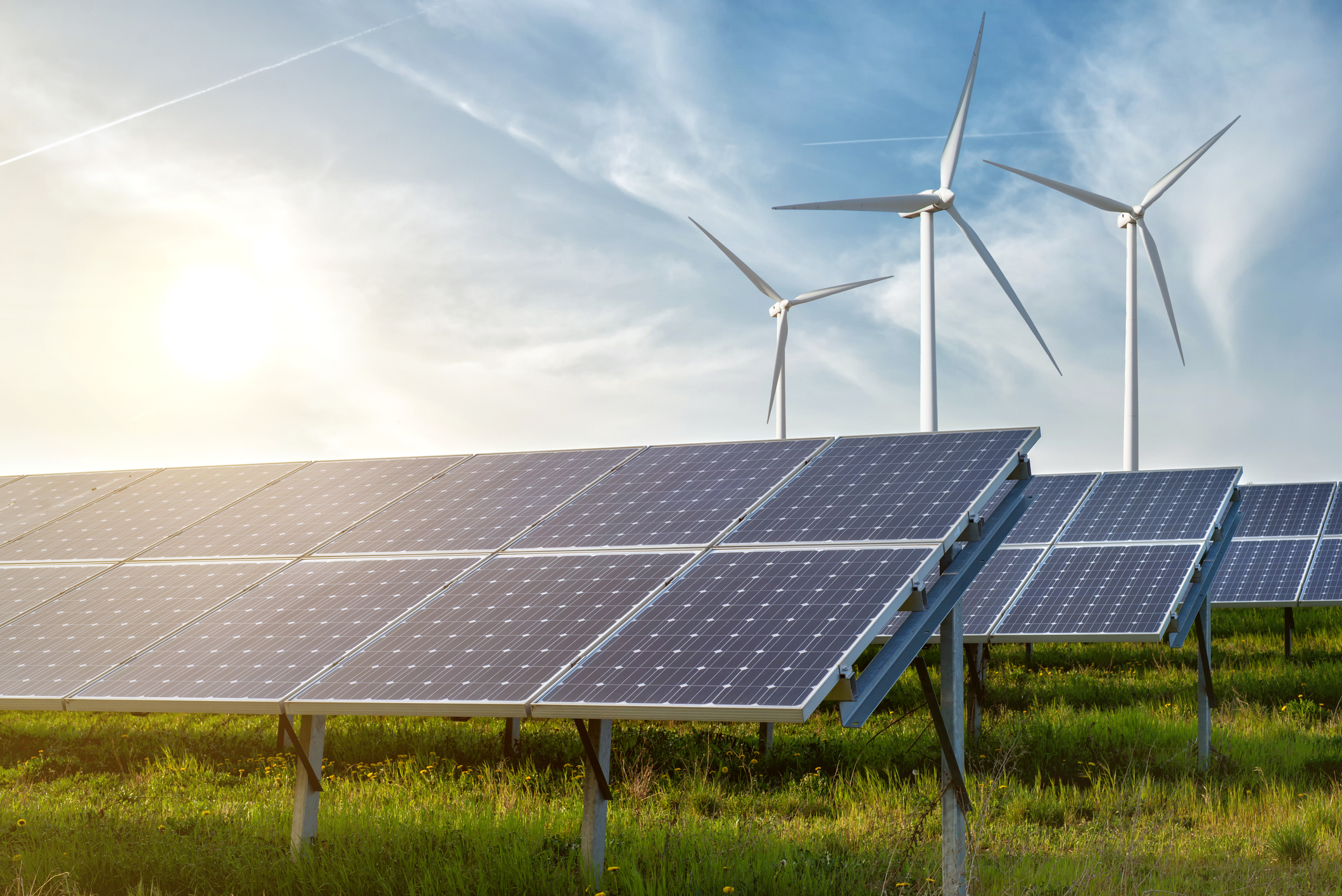
The advanced manufacturing production credit was newly created by the IRA and provides credits for manufacturing components for clean energy projects in the U.S. It has led to significant expansion of manufacturing capacity for key renewable power project components, including solar panels and batteries. OBBBA generally accelerates the phaseout of those credits for new facilities.
Restrictions Relating to Foreign Entities of Concern (FEOC)
For the ITC, PTC, and advanced manufacturing credits, the OBBBA introduces new restrictions on eligibility for FEOCs and projects that receive material assistance from FEOCs. FEOC’s are no longer eligible for tax credits after 12/31/2025. More importantly, projects that receive material assistance from an FEOC after 12/31/2025 are also ineligible for tax credits. Key to this is that system components imported from an FEOC count as material assistance, and multiple countries in the supply chain for renewable power components are FEOCs (China being one). This will further complicate supply chain logistics and management for project developers after 12/31/2025.
Changes That Did Not Make it into OBBBA
Various versions of the bill included other changes to clean energy incentives. Some did not make it into the final bill, notably:
- Excise tax on wind and solar project components sourced from FEOC’s was omitted from the final bill
- Tax credit transferability will remain with some new restrictions for facilities subject to FEOC limitations
Executive Order of July 7, 2025, as It Applies to the OBBBA
On July 7, 2025, President Trump issued an Executive Order titled “Ending Market-Distorting Subsidies for Unreliable, Foreign-Controlled Energy Sources” which reinforces and amplifies the Senate-passed tax credit elimination timeline for wind and solar while ensuring the safe harbor loophole is tightened. It forces stricter scrutiny of when projects can lock in tax credits and limits eligibility for those linked to foreign entities of concern. Developers and financiers now face accelerated deadlines, higher proof standards for construction, and compliance risks around supply chains.
The order enforces the OBBBA’s accelerated phase-out of production (45Y) and investment (48E) tax credits:
- Wind/solar must begin construction by July 2026 (one-year window) to qualify under safe harbor.
- If they miss that, they must be placed in service by 12/31/2027 or lose credits.
Developers who previously relied on minimal actions—like buying equipment (≥ 5% spend) or light site prep—to lock in credits may no longer qualify unless they advance substantial on-site work.
Per the Executive Order, final guidance will be issued by late August to clarify and tighten specific “beginning of construction” rules for energy projects, preventing artificial acceleration of project milestones, which will force developers to accelerate construction, prove real progress, and source compliant (non-FEOC) components to not lose federal incentives.