
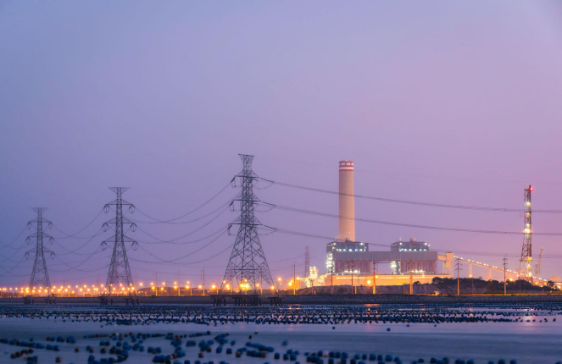
 The U.S. Department of Energy (DOE) has issued another emergency order under Section 202(c) of the Federal Power Act, this time directing Orlando Utilities Commission (OUC) to keep the 464-MW Stanton Energy Center Unit 1 coal-fired generating unit online through September 1, 2026. The unit had been scheduled to enter extended cold shutdown as part of OUC’s long-term transition strategy toward a generation portfolio with greater reliance on natural gas and renewable resources. According to DOE, the order was issued amid concerns over rapidly growing electricity demand, particularly from data centers, as well as the need to maintain dispatchable generation resources capable of supporting grid reliability during periods of system stress.
The Stanton order is the latest in a growing series of federal interventions aimed at delaying planned retirements of conventional generating assets. A review of plants currently operating under DOE emergency orders shows that several coal, oil, and natural gas facilities across the country have received similar directives. These include TransAlta’s Centralia plant in Washington, Tri-State’s Craig Station in Colorado, Constellation Energy’s Eddystone units in Pennsylvania, CenterPoint Energy’s F.B. Culley station in Indiana, Talen Energy’s H.A. Wagner plant in Maryland, CMS Energy’s J.H. Campbell plant in Michigan, and NIPSCO’s R.M. Schahfer station in Indiana. Together, these facilities represent thousands of megawatts of generation capacity that otherwise would have been retired or substantially reduced in operation. The majority are coal-fired resources that had previously been targeted for closure due to economics, environmental goals, or utility decarbonization plans.
The increasing use of emergency orders highlights a growing tension between long-term decarbonization objectives and near-term reliability concerns. Across many regions, accelerating load growth from data centers, manufacturing expansion, electrification initiatives, and population growth is occurring simultaneously with the retirement of dispatchable thermal generation. While renewable generation additions continue at a rapid pace, grid operators and regulators remain concerned about maintaining sufficient capacity during peak demand periods and ensuring adequate system flexibility when solar and wind resources are unavailable or limited.
For utilities and consumers, the financial implications of these orders remain an important consideration. Extending the operation of aging power plants often requires continued fuel procurement, staffing, maintenance, environmental compliance expenditures, and capital investments that may not have been included in long-term retirement plans. Those costs are likely to ultimately be reflected in wholesale market prices and/or retail electric rates, depending on the utility and regulatory structure where each asset is located. At the same time, supporters argue that preserving dispatchable generation may help prevent reliability events and reduce exposure to extreme price volatility during periods of tight supply.
As the DOE continues to approve emergency extensions for retirement-ready generating assets, the industry is closely watching whether these actions remain temporary reliability measures or signal a broader shift in federal policy toward maintaining existing thermal generation during the nation’s ongoing energy transition. The outcome could have significant implications for utility resource planning, generation investment decisions, and future electricity costs for consumers.