
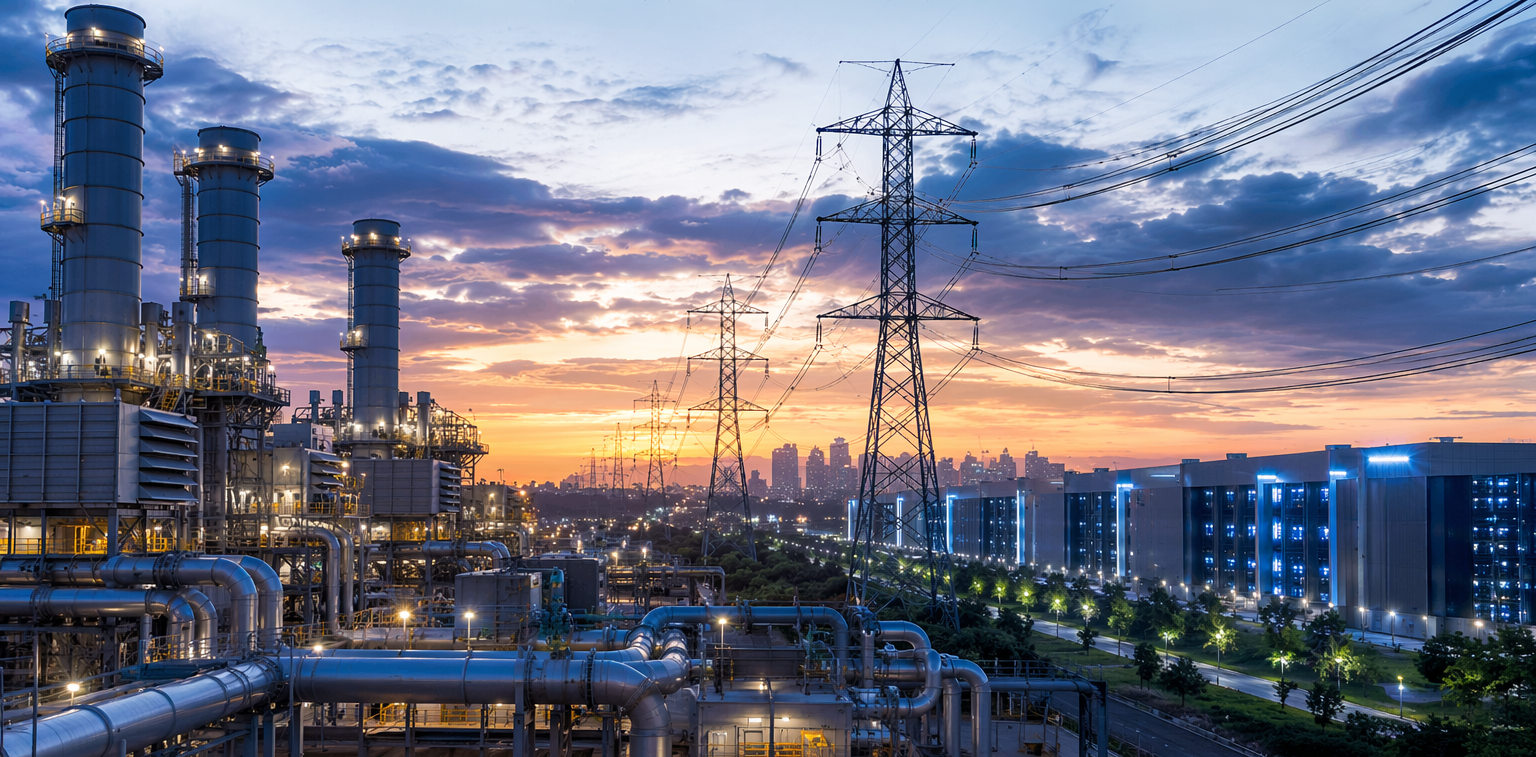
 U.S. natural gas and power markets are entering a period of significant growth challenged by structural supply constraints and procurement complexity. By the end of 2027, an additional 60-70 GW of natural-gas fired capacity additions are expected, solidifying natural-gas fired generation as the dominant source of electricity through well into the next decade. At the same time, demand for natural gas is projected to increase by 3 Bcf/d or more by 2030, reinforcing its central role in balancing grid reliability and supporting load growth.
Natural gas continues to anchor the U.S. generation mix, particularly as intermittent resources expand and reliability requirements intensify. Its scalability and dispatchability position it as a primary resource to meet both baseload replacement needs and incremental demand growth, even as market conditions evolve.
Turbine Costs and Supply Constraints Intensify
A key pressure point is the rapid escalation in gas turbine costs and availability. Turbine prices are projected to reach roughly $600/kW by 2027 — nearly a 195% increase from 2019 levels — driven by a convergence of supply chain bottlenecks, labor shortages, and rising input and trade-related costs. Given that turbines account for 20-30% of combined-cycle plant costs (and an even higher share for simple-cycle facilities), these increases materially impact overall project economics. Meanwhile, manufacturers’ order books are effectively sold out through 2027, with lead times stretching to six years and peak ordering activity expected in 2026.
Procurement Strategy Becomes a Competitive Advantage
These constraints are fundamentally reshaping market behavior. The industry is shifting from a traditional focus on fuel price optimization toward strategic procurement and capacity positioning. Developers and large energy users are increasingly prioritizing early equipment reservation, long-term contracting, and supply chain certainty over short-term price signals. Investment activity reflects this shift, with continued focus on heavy-duty gas turbines to support large-scale projects, including data centers and baseload replacement capacity.
Data Center Load Drives the Next Wave of Demand
Load growth, particularly from data centers, is emerging as a major structural driver of demand. Electricity consumption from data centers is forecast to rise by nearly 96% between 2026 and 2031, fueled by rapid expansion in artificial intelligence and cloud computing. This surge is expected to significantly increase natural gas consumption, as gas-fired generation remains the most scalable and dispatchable resource available to meet this type of high-load, high-reliability demand in the near term.
Constrained Outlook Requires Long-Term Planning
Looking ahead, the market is likely to remain constrained well into the next decade. Equipment manufacturers are investing to expand capacity, but progress is tempered by persistent labor and component shortages. Infrastructure developments, such as new natural gas storage capacity initiatives along the Gulf Coast, may provide incremental flexibility, but do not fully alleviate upstream constraints. In this environment, successful market participants will be those that adapt to longer planning horizons, incorporate procurement risk into strategy, and actively manage exposure to both physical and financial market disruptions.