
 The rapid expansion of data centers is fundamentally changing U.S. electricity demand forecasts and driving a resurgence in natural gas-fired generation. According to S&P Global Commodity Insights’ CERA analysts, utility forecasts for data center electricity consumption have increased dramatically over the past two years. While a 2024 survey projected non-cryptocurrency data center load approaching 400 TWh by 2035, a 2026 survey suggests demand could reach approximately 1,350 TWh by that date, with data centers accounting for more than half of all U.S. electricity demand growth through 2035. PJM, MISO, ERCOT, and southeastern markets are expected to see the largest increases in data center-related load growth.
Natural Gas Generation Returns to Center Stage
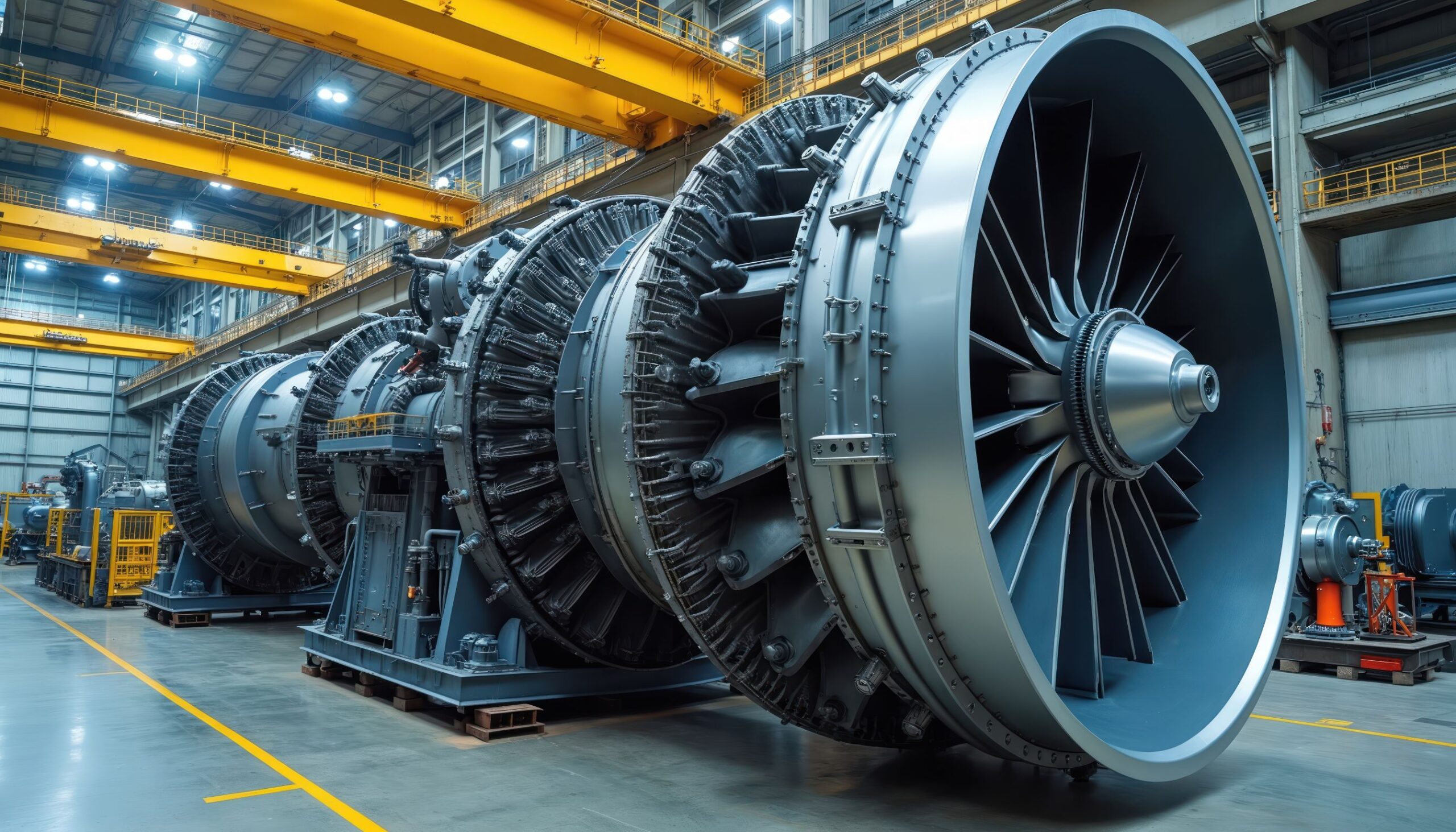
The surge in electricity demand is driving a sharp increase in gas turbine orders. CERA data show turbine orders reached 51 GW in 2025, the highest annual level since the early 2000s, with another 18 GW ordered during the first quarter of 2026 alone. Analysts expect natural gas additions to accelerate through 2030, with approximately 80 GW of new gas-fired capacity projected to come online as utilities seek reliable generation capable of supporting rapidly growing data center loads. While solar, wind, and battery storage will continue to dominate overall capacity additions, natural gas is increasingly viewed as a critical reliability resource, particularly in the Southeast, MISO, ERCOT, and PJM regions.
Supply Chain Constraints Create New Reliability Challenges
Despite growing demand, the gas turbine market faces significant supply chain constraints. According to the Electric Power Research Institute (EPRI), lead times for large gas turbines now exceed five years, meaning equipment ordered today may not enter service until 2031. Costs have also increased sharply, with average turbine prices rising from approximately $2,000/kW to $3,000/kW in just six months. Unlike the turbine boom during the dot-com era, today’s demand is being driven by multiple long-term trends, including artificial intelligence, industrial growth, electrification, and reliability concerns associated with retiring generation assets. Global turbine orders exceeded 100 GW in 2025, highlighting the scale of the challenge facing manufacturers and project developers.
Rising Costs and Policy Uncertainty Add Complexity
Analysts warn that increasing electricity demand, combined with growing natural gas consumption from LNG exports and data center development, could contribute to an extended period of higher power and gas prices. Concerns over affordability are already prompting regulatory scrutiny. In Texas, Governor Greg Abbott recently directed state regulators and ERCOT to review data center projects before interconnection, citing concerns about public subsidies, water usage, and potential impacts on existing customers. Such policy actions could influence future demand growth forecasts, particularly if states seek to balance economic development with affordability and reliability objectives.
Long-Term Planning Becomes Essential
The combination of surging electricity demand, escalating equipment costs, and extended manufacturing timelines is forcing utilities, developers, and large power users to rethink resource planning. EPRI notes that manufacturing capacity, not generation technology, is increasingly becoming the limiting factor in the power sector’s ability to respond to demand growth. With gas turbines, transformers, and other critical equipment facing lengthy lead times, long-range planning and early procurement decisions are becoming essential for maintaining reliability. As data center growth continues to reshape electricity markets, the industry’s ability to align infrastructure development with demand growth will play a key role in determining future power costs and grid resilience.