
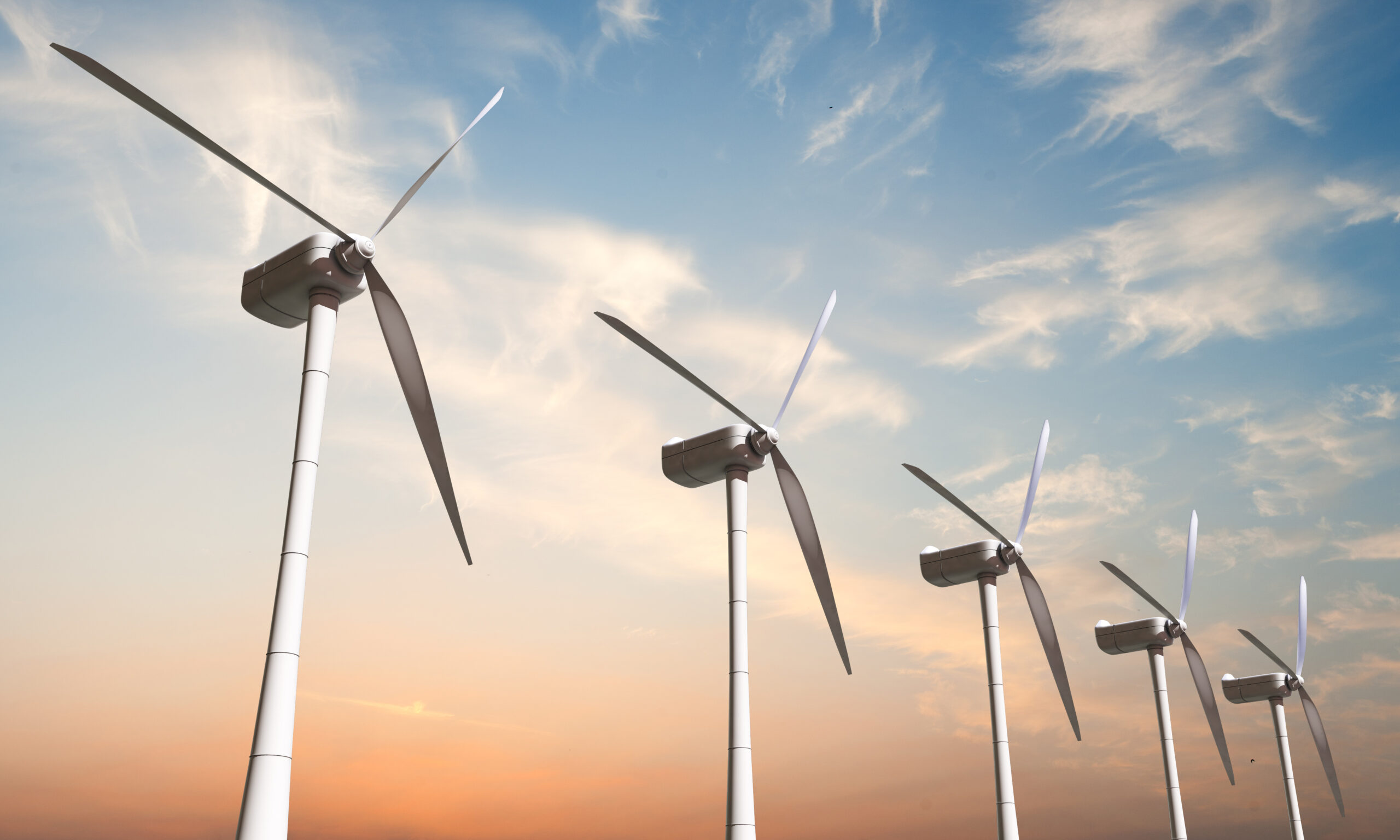
 In early 2025, U.S. wind power installations rebounded, with approximately 2.1 gigawatts (GW) of new capacity added in the first quarter—marking a 91% increase from the same period in 2024. Forecasts from Wood Mackenzie and the American Clean Power Association project that total additions for the year, including repowering projects, will reach around 8.1 GW, which would represent a 56% increase over the previous year. Wind remains the largest single source of renewable electricity in the U.S., accounting for about 10% of total power generation in 2023.
Despite this growth, the industry faces headwinds. Orders for new wind turbines dropped significantly—down 50% in the first half of 2025 compared to the same period in 2024, reaching their lowest level since roughly 2020. New federal policy changes have introduced additional regulatory steps that could slow or complicate project development. A new rule from the U.S. Interior Department requires that all wind and solar projects on federal lands and waters receive direct approval from the Secretary of the Interior. This change has raised concerns among developers about potential permitting delays, especially for projects aiming to qualify for soon-expiring tax incentives.
More broadly, wind power capacity has expanded rapidly in recent years. In 2023, the U.S. added roughly 6.5 GW of land-based wind capacity, bringing the national total to about 150 GW. Federal projections estimate around 7.7 GW of new wind capacity in 2025. At the same time, tax incentives and supply chain improvements are helping spur domestic turbine manufacturing, which may support longer-term growth. However, the recent decline in turbine orders and the introduction of stricter permitting requirements may challenge the sector’s short-term momentum.