
Power demand in the U.S. is expected to grow dramatically over the next few years due to the expansion of AI data centers, electrification and the expansion of oil & gas operations. In order to support this explosion of power demand, significant investment in additional power generation facilities is needed. However, the timeframe to get new generation on the grid has slowed in recent years as permitting, siting, etc., have elongated generator interconnection timeframes. Additionally, most of the proposed generation projects in the interconnection queues across the country are solar, wind and battery assets, which are composed of significant foreign components. The tariffs implemented by the Trump administration in 2025 have significantly impacted utility-scale solar, wind, and battery storage projects in the United States.
 Solar Energy Projects:
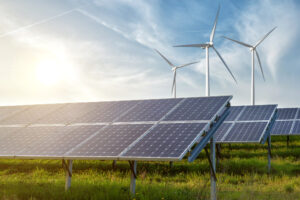
The tariffs have led to increased costs for imported solar panels and components, which are predominantly sourced from Southeast Asia. This has resulted in project delays and cancellations.
Wind Energy Projects:
Onshore wind projects have also been affected. Analyses indicate that the tariffs could increase onshore wind turbine costs by 7%, leading to a 5% rise in overall project expenses. This escalation may reduce new wind capacity installations by up to 9% annually through 2028, with potential deployment reductions of 20% to 30% if the tariffs persist. The increased costs are attributed to tariffs on imported components such as blades, drivetrains, and electrical systems.
Battery Storage Projects:
The energy storage sector faces challenges due to tariffs on imported lithium-ion batteries and related components, primarily from China. These tariffs have led to increased costs for battery storage projects, potentially hindering the expansion of grid-scale storage solutions essential for renewable energy integration.
Overall, the 2025 tariffs have introduced financial and operational challenges across the renewable energy sector, affecting the pace and cost-effectiveness of deploying utility-scale solar, wind, and battery storage projects in the U.S, which also will ultimately impact the demand growth in power.